
How apropos that the baby Trump blimp floated freely over London,  England again this month during an official state visit from the POTUS. If you haven’t heard, it hovered on the tail winds of a press release from the United States Department of Energy that has rebranded fossil fuels as “molecules of freedom.” Natural gas, specifically, is now being marketed as “freedom gas!” The huge balloon, crowd-funded by protestors determined to communicate that “Trump and his politics of hate are not welcome in Britain,” is actually buoyed by helium (much safer than highly flammable methane, the primary hydrocarbon in natural gas.) However, the reality that the USA’s absurd strategy for increasing natural gas exports is not satire, but a setback to necessary climate crisis mitigation, is not lost on anti-Trump demonstrators also naturally aligned with ‘Extinction Rebellion.’
Ironically, the US Department of Energy’s “freedom gas” announcement was made at the end of May in Vancouver, BC during the 10th annual Clean Energy Ministerial (overshadowing clean energy commitments by other nations, according to Forbes.) With communities around our province rallying to make 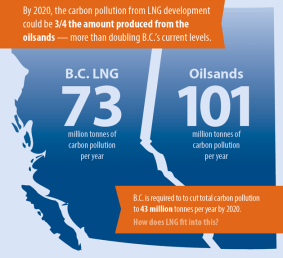 Climate Emergency Declarations, it will remain necessary for the foreseeable future to keep pressuring our own pro-LNG government for far greater support when it comes to reducing damaging methane emissions, not least of all from this particular industry’s inadequately monitored, leaky infrastructure. And while fossil fuels and their extraction remain a leading cause of methane emissions, they aren’t the only source we should be concerned about.
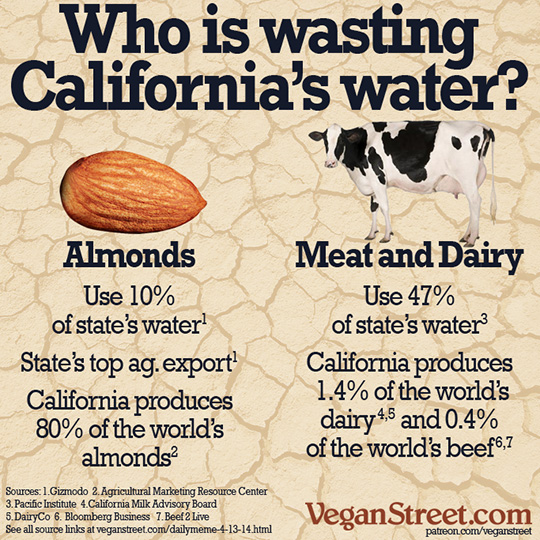
Cows, for example, emit between 250 and 500 litres of methane per day. And so-called free-ranging, grass-fed cows contribute significantly higher amounts than their factory farmed counterparts. With more than a billion bovines already taking up space on the planet, it makes little sense for BC’s elected officials to also be deliberately propping up ranching interests. Numerous scientific studies have declared that a concerted effort to dramatically reduce dietary intake of animal products is absolutely necessary if we are to avoid the 1.5 C temperature rise the most recent Intergovernmental Panel on Climate Change (IPCC) report has warned us about. And beef and dairy have been 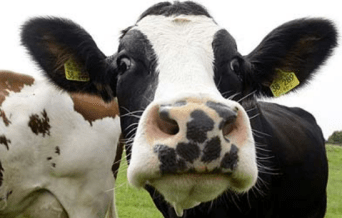 singled out over and over again as particularly problematic – especially when consumed out of habit, rather than necessity. It is imperative that far more attention be paid to the fact that while methane doesn’t last as long in the atmosphere, it is a far more potent greenhouse gas than carbon dioxide. In fact, over a 20 year period it traps approximately 84 times more heat than CO2. Surely that’s a time frame we should be taking a lot more seriously given the mere decade the IPCC predicts we have left, at most, to avoid irreversible climate collapse.
According to a report from Environment and Climate Change Canada released in April, our country is warming up twice as fast as the rest of the world. And yet there appears to be no recognition of this alarming fact in the BC government’s June 3rd pronouncement that it has accepted all 21 of the recommendations made by the Select Standing Committee on Agriculture, Fish and Food report (chaired by Courtenay-Comox Valley MLA Ronna Rae) focused on “strengthening the local meat industry in British Columbia” and “industry growth.” Rather, “increasing the ministry’s budget to support Grow BC, Feed BC and Buy BC initiatives that increase capacity for this sector,” is highlighted as one example of so-called “progress” already underway.
Animal agriculture has always received a disproportionate share of government subsidies in Canada, totaling in the billions of dollars. On June 15th activists from across the country will be rallying in Ottawa under the umbrella of ‘Nation Rising‘ (a non-partisan political advocacy group) to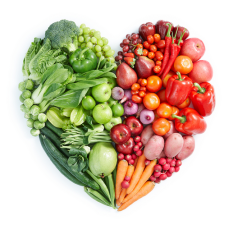 demand change. As noted by the group, the ‘Canada Food Price Report 2019‘ forecasts that the price of meat will drop and that the prices of fruits and vegetables, including plant-based protein options, are expected to rise – despite growing interest in switching to more plant-centred eating. Nation Rising is asking the government to enact policies that align subsidies with the healthy eating recommendations advanced by Canada’s new Dietary Guidelines, in order to ensure that plant-based food is affordable and accessible to all. Citizens from coast to coast are encouraged to get involved by contacting their own regional politicians. Anyone with internet access can check out www.nationrising.ca for all the information they need to get started!
Homemade Oat Milk
If taking the climate crisis seriously means there isn’t time to waste getting on with the kind of changes called for, those of us with the privilege of choice certainly needn’t wait on bold political leadership to get started making a 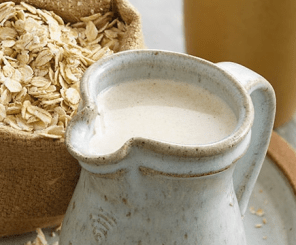 difference in our own lives at every meal. Don’t be afraid to experiment. Here’s a simple recipe that couldn’t be easier to make. I highly recommend homemade oat milk as an affordable, nutritious alternative to expensive organic nut varieties!
Ingredients:
1 cup whole grain organic rolled oats (not steel-cut)
water
sweetener of choice (dates, maple syrup, stevia, etc.)
optional – 1/8th tsp. salt
optional – organic sunflower oil (if you’re wanting coffee creamer)
optional – additional flavouring (vanilla, cocoa powder, mint, pumpkin spice, etc.)
Instructions:
Use 2.5 – 4 cups water, depending on desired thickness. Combine all ingredients and blend. It’s actually best to ‘pulse’ blend, and not overdo it. This is a simple procedure, but over blending can result in an undesirable change to the consistency of the oat milk. Drink your unthickened milk as is, or use a nut bag, cheesecloth or fine mesh strainer to drain liquid over a bowl and set pulp aside. Strained pulp is full of fibre and nutrients you don’t want to waste. It can be added to smoothies, muffins, or other baking (and frozen for later use, if you like). If you’re after a richer milk or creamy texture, simply add 1-3 T of organic sunflower oil (testing for desired consistency before adding more than necessary).
Unsweetened, plain oat milk can be heated and used in sauces, gravies, or any recipe you want to thicken (ie, perfect in vegan mac and cheese). Enjoy!


 not whether we will be extremists but what kind of extremists we will be. Will we be extremists for hate or for love? Will we be extremists for the preservation of injustice or for the extension of justice?”
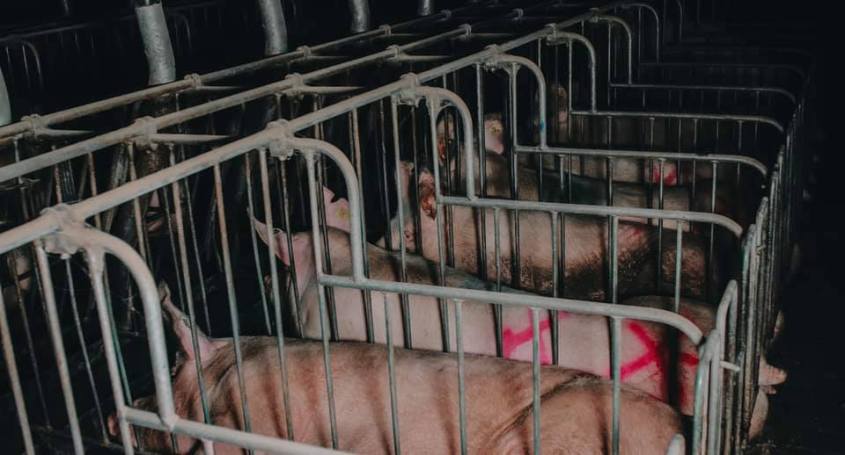
 antly knew that she could never eat pork again. Shortly thereafter, she and her partner made the decision to embrace a vegan lifestyle. Tink passed away on the eve of the Chinese New Year of the Pig, but will be forever remembered. ❤

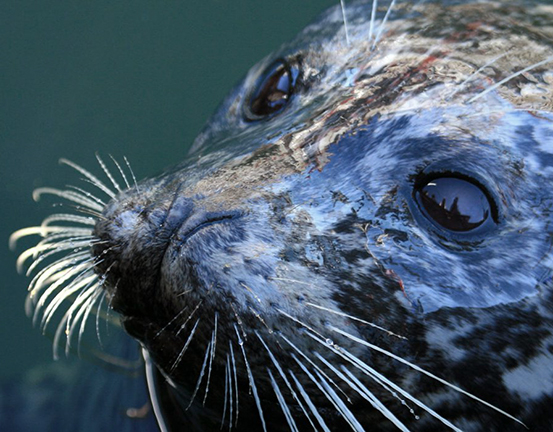

 other species as having fundamental rights of their own to survive and thrive are gaining momentum. Kudos to the 54 animal and environmental protection groups that recently banded together to ask the BC government to put an end to ‘
 Keim
Keim Ingredients:

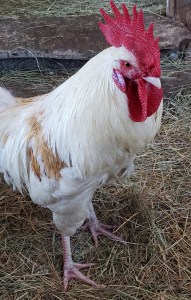
 animals are worthy of respect and that one very important way for people with the privilege of choice to help build a more compassionate world where biodiversity has a chance to flourish is to adopt a vegan lifestyle.
 Canada’s brand new



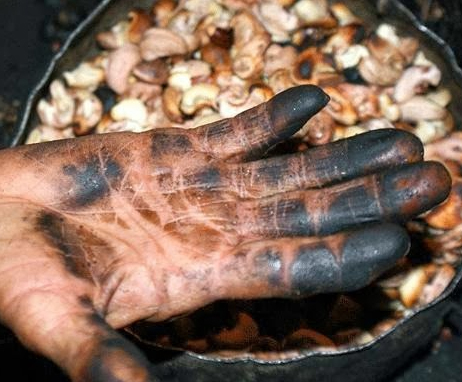 Cashews are one of the most popular nuts in demand today, but definitely best avoided unless you can afford to purchase them from a certified organic fair trade
 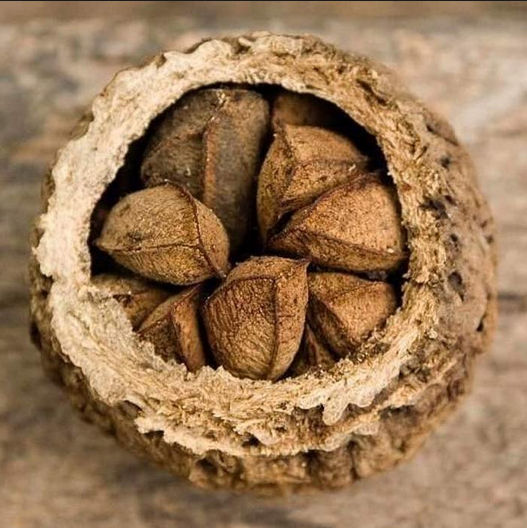 Since they cannot be cultivated, the Brazil nut industry actually helps to preserve patches of vital rainforest and support farmers that care for the trees. Considered a superfood by many (they are also an excellent source of selenium) Brazil nuts have gone

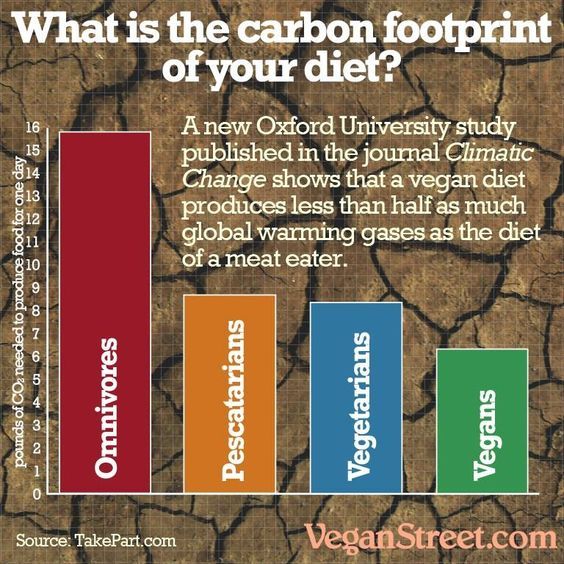 government’s job to advise people on a climate-friendly diet. Unwilling to risk offending local livestock farmers, she wouldn’t even say publicly whether or not she herself would eat less meat. Friends of the Earth called out Perry for



 by some very
 recognized as increasing in frequency due to global climate change. According to fire ecologists, the scale of wildfire emergencies experienced here over the last couple of years wasn’t predicted to be classified as ‘average’ for another three decades! And yet now we are being told to expect smoke-filled skies (and the accompanying breathing difficulties so many humans and non-humans will suffer) as ‘
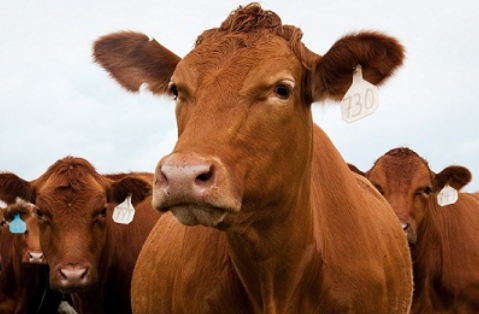 Farmed animals take up
  let alone those arising from other systems of animal production.”
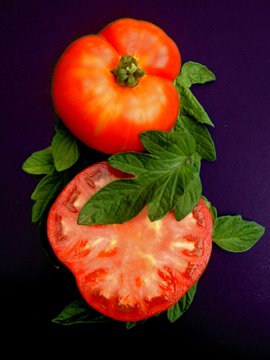 Nothing symbolizes summertime bliss quite like homegrown tomatoes. For at least two hundred years however, this member of the nightshade family was regarded as potentially lethal and grown strictly as an ornamental. The stalks and leaves are indeed toxic. But the untimely deaths of wealthy people once attributed to consumption of the tomato were caused not by the plant itself but by the lead in pewter serving dishes that tended to leach upon contact with the highly acidic fruit! Thank goodness we know today that the berries of Solanum lycopersicum are to be celebrated rather than feared. Tomatoes are an excellent source of Vitamin C, potassium, folate, Vitamin K and the antioxidant lycopene (linked to many health benefits including reduced risk of heart disease and cancer.) To top it all off this beautiful food is also bursting with ‘umami’.
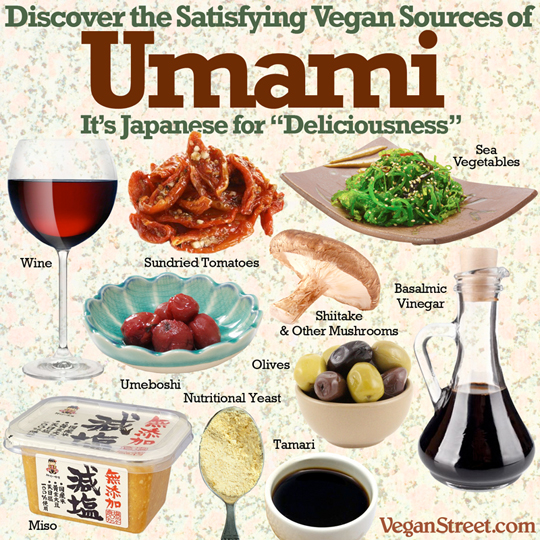 soy sauce, potatoes and more in the realm of plant foods) umami is also associated with many animal products. So for folks transitioning to a plant-based diet it’s helpful to understand that perceived ‘cravings’ for meat and cheese have nothing to do with a physical need to ingest those items. They may, however, have everything to do with missing the flavour experience umami provides through specialized receptor cells on the tongue. Introducing more plant-sourced umami into one’s daily diet can indeed help satiate such cravings.
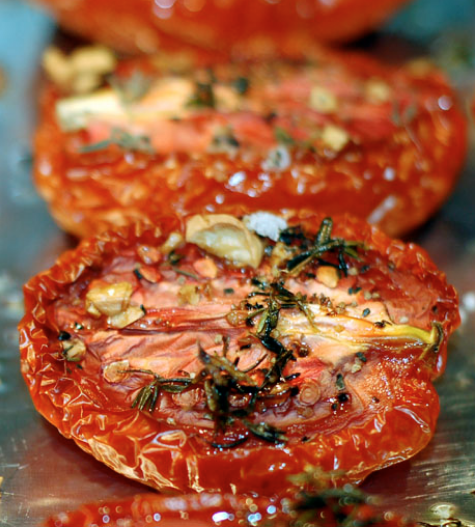 The riper or more concentrated tomatoes are, the deeper their flavour profile. I could happily survive on toasted wholegrain sandwiches of garden-fresh slices with just an added pinch of sea salt and a dash of ground black pepper all season long. But my absolute favourite method of preserving the fruit for later enjoyment is through roasting slowly in a low temperature oven with lots of garlic, and a drizzle of olive oil. Simply dehydrating tomatoes is another obvious way to concentrate their appeal. Whether you grow your own garden variety, or purchase sun-dried tomatoes from the store that can be easily reconstituted, the following snack packs a highly nutritious umami punch just as popular with kids as it is with adults!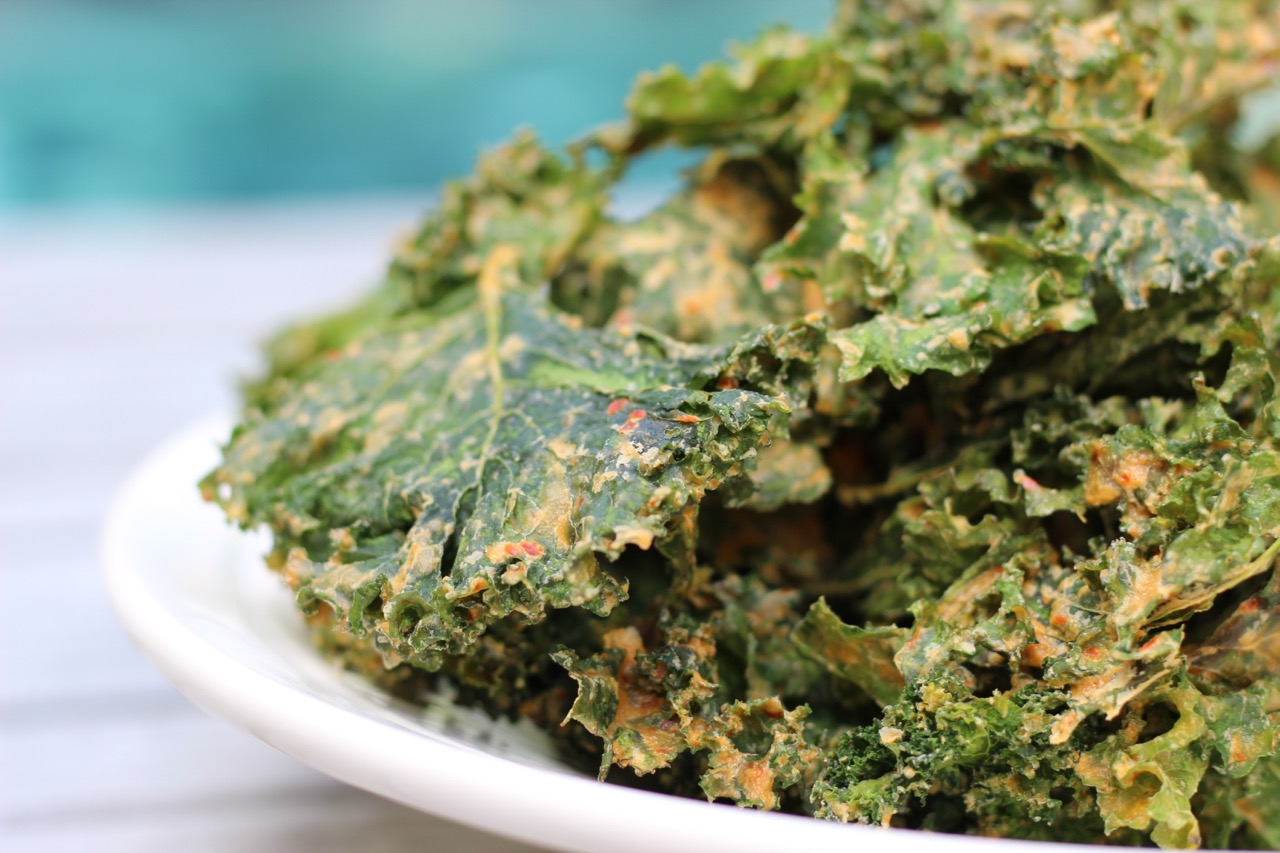
 The Transition Kitchen